All Research and Sources
-
Does cannabis use increase head and neck cancer risk?
Rationale: Head and Neck Cancer (HNC) is the 6th most frequent cancer type worldwide. Tobacco consumption is a risk factor for the development of HNC (Jethwa, 2017). The cancer-inducing chemicals in tobacco can damage DNA and increase inflammatory responses. Although, prior evidence suggests that cannabis may also…
-
Can I use weed instead of opioids to manage my pain after surgery?
Rationale: Chronic pain is the most common reason people are prescribed cannabis (Boehnke et al., 2022). Patients often report that cannabis reduces reliance on opioids and consider it a safer pain management alternative (Lucas et al., 2021). However, cannabis has not been proven to reduce chronic pain.…
-
What happens when you turn to cannabis for relief?
Rationale: Cannabis contains hundreds of chemicals, including delta-9 tetrahydrocannabinol (THC) and cannabidiol (CBD), which are hypothesized to reduce compulsive and obsessive behaviors (cite). OCD is an anxiety disorder that combines anxiety with repetitive behaviors. Cannabis is increasingly viewed as a way to manage symptoms for individuals with…
-

What does science say about smoking weed and academic performance?
Rationale: Cannabis use during adolescence and cannabis potency have increased over time. More studies are assessing the negative effects of cannabis use during periods of brain development, which can impact students’ academic performance. Chronic cannabis use can alter the brain, causing impaired information processing, decreased cognition and…
-
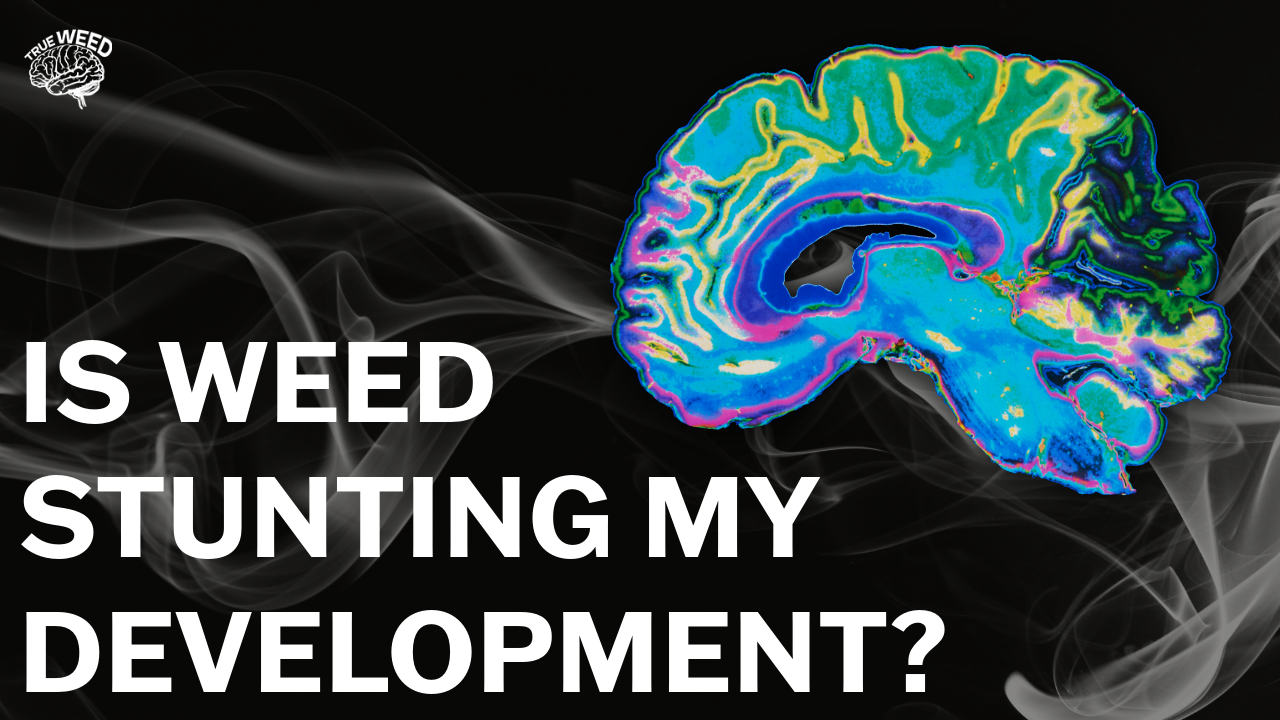
Does using cannabis have a permanent impact on developing brains?
Rationale: Cannabis is the most frequently used psychoactive drug during adolescence and adulthood (United Nations Office of Drugs and Crime, 2018). Most states that have legalized cannabis have set the minimum age at 21. However, despite these legal age restrictions, more than one-third of US high school…
-
What are the lasting impacts of adolescent THC use on adult decision-making?
Rationale: Evidence suggests that chronic cannabis users likely exhibit poor decision-making and impulse control (Fridberg, 2010). However, as the availability of cannabis has risen, more young people believe that weed is harmless. (Miech, 2020). Early exposure to cannabis may harm decision-making, therefore increasing the risk for Cannabis…
-

As a caregiver, should I be using cannabis?
In this study, caregivers were more likely to use cannabis than non-caregivers, but those who used were more nervous and in poorer physical health compared to caregivers who didn’t use.
-

Is cannabis use linked to psychiatric conditions?
In this study, users who started using in order to cope with feelings of anxiety or depression used about 40% more per week than average. Their anxiety and depression also increased.
-

Does cannabis use lead to tobacco or alcohol use?
This study used survival analysis to confirm that the gateway effect for cannabis is strongly bidirectional.
-

Is my driving impaired by cannabis use?
According to a 2018 study on the effects of cannabis on driving, regular users swerve more and drive more slowly when they are high than when they are sober.