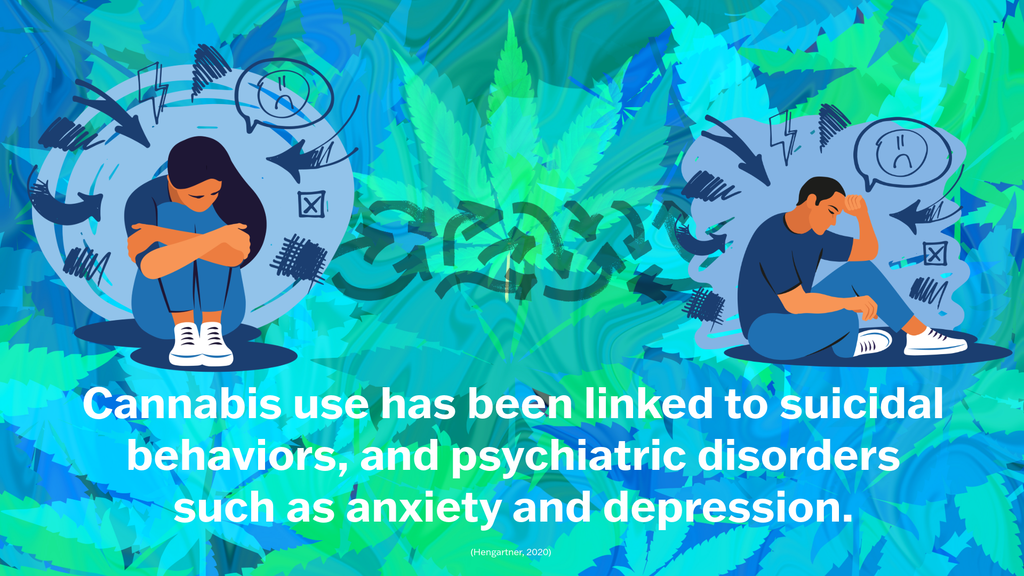
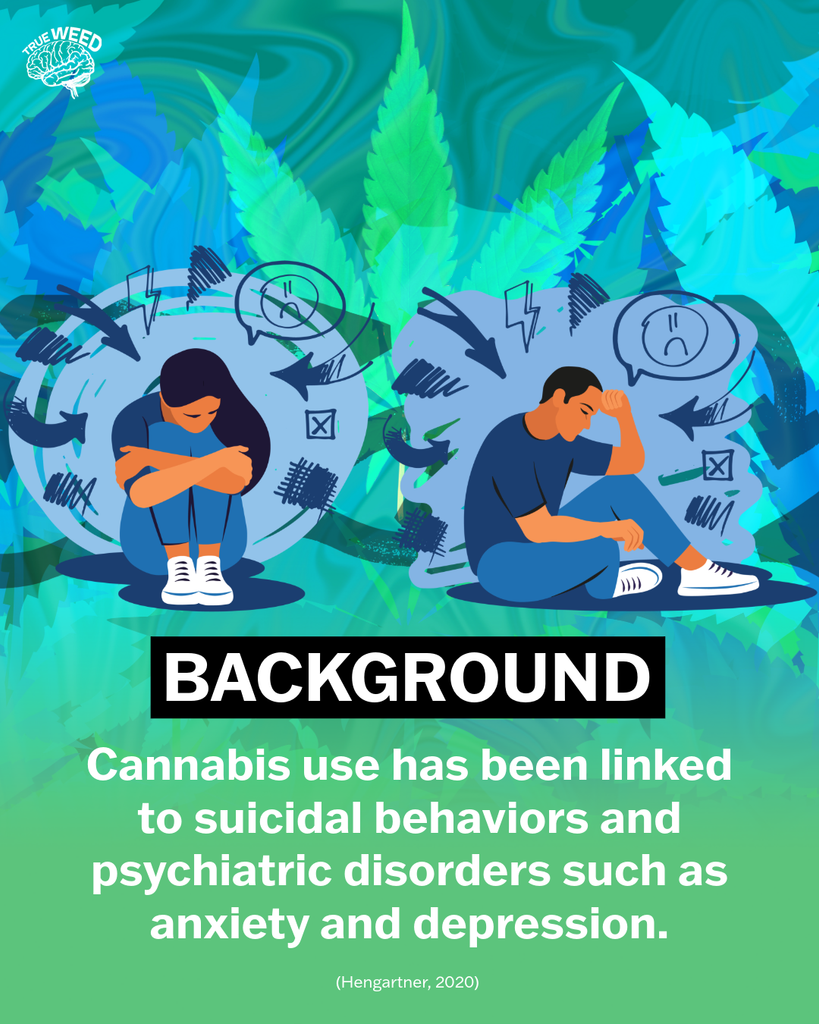
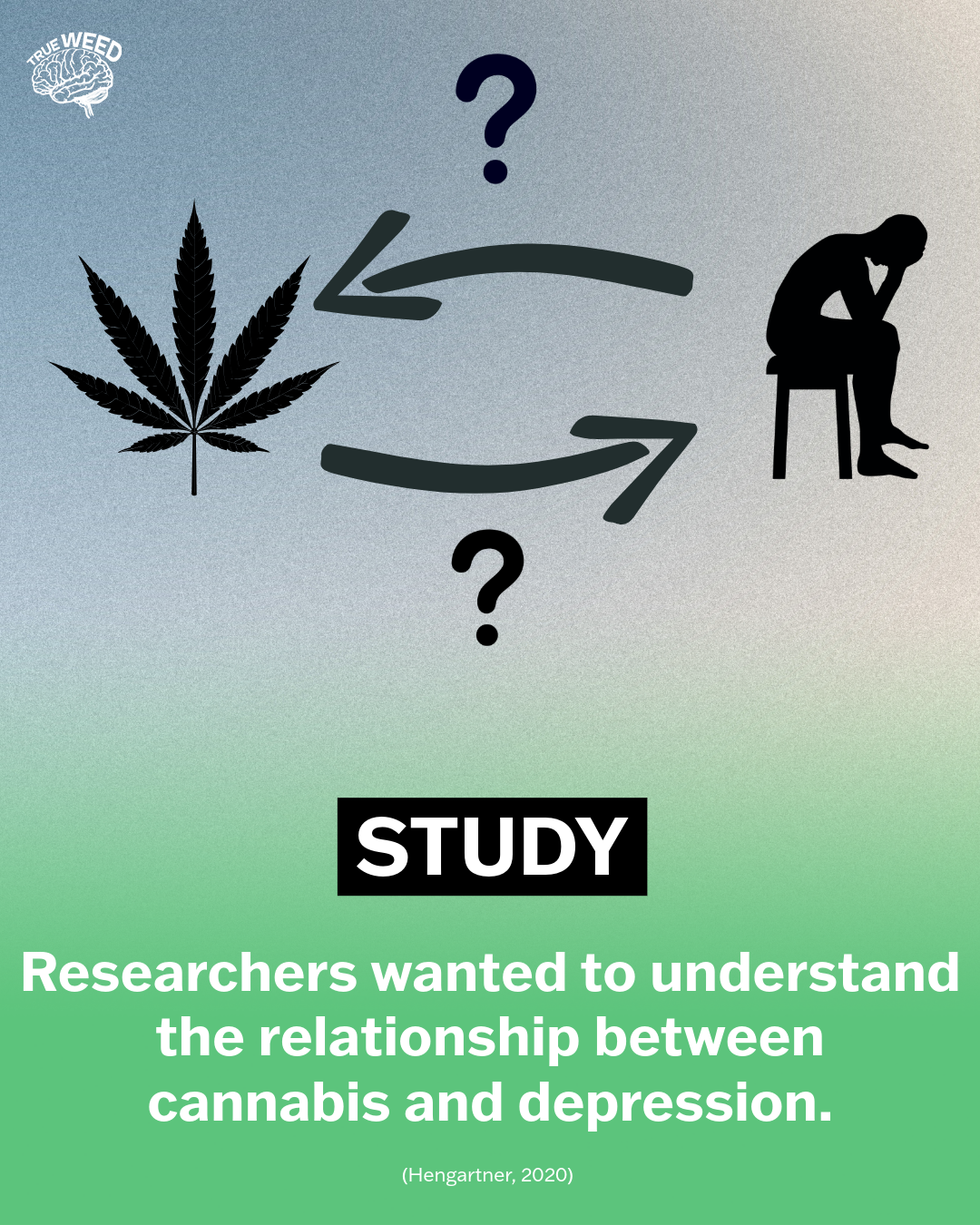
Rationale: The current body of evidence relates early cannabis use to psychiatric disorders such as anxiety, depression, and suicidality later in life. To examine this correlation further, researchers looked over mental health data from a Swiss database of young adults, looking for correlations between adolescent cannabis use and psychiatric disorders.
This is highly important as cannabis is now legalized for recreational use in 24 US states, meaning younger individuals could be getting exposed to cannabis at higher rates.
Method: This study looked at data from 591 young adults who were assessed at ages 19 and 20, then interviewed 7 more times over the following 30 years at the ages of 20/21, 22/23, 27/28, 29/30, 34/35, 40/41, and 49/50. During these interviews, participants were questioned on both their psychiatric health and their cannabis use, among many other aspects of their lives, using the SPIKE questions.
The SPIKE questionnaire, meaning the Social Consequences of Psychological Disturbances for Epidemiology, is notable as this interview method is reliable, and it collects data on many different areas such as socio-demographics and prior substance use. Thus, the study was controlled for a large number of external factors.
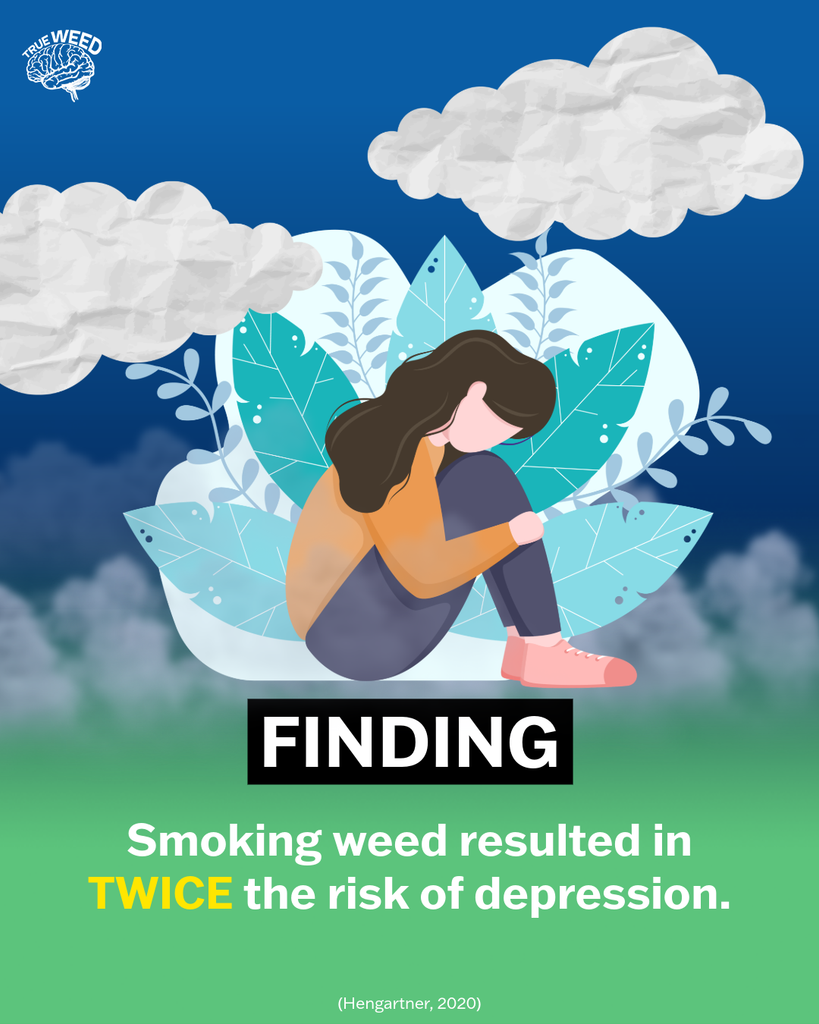
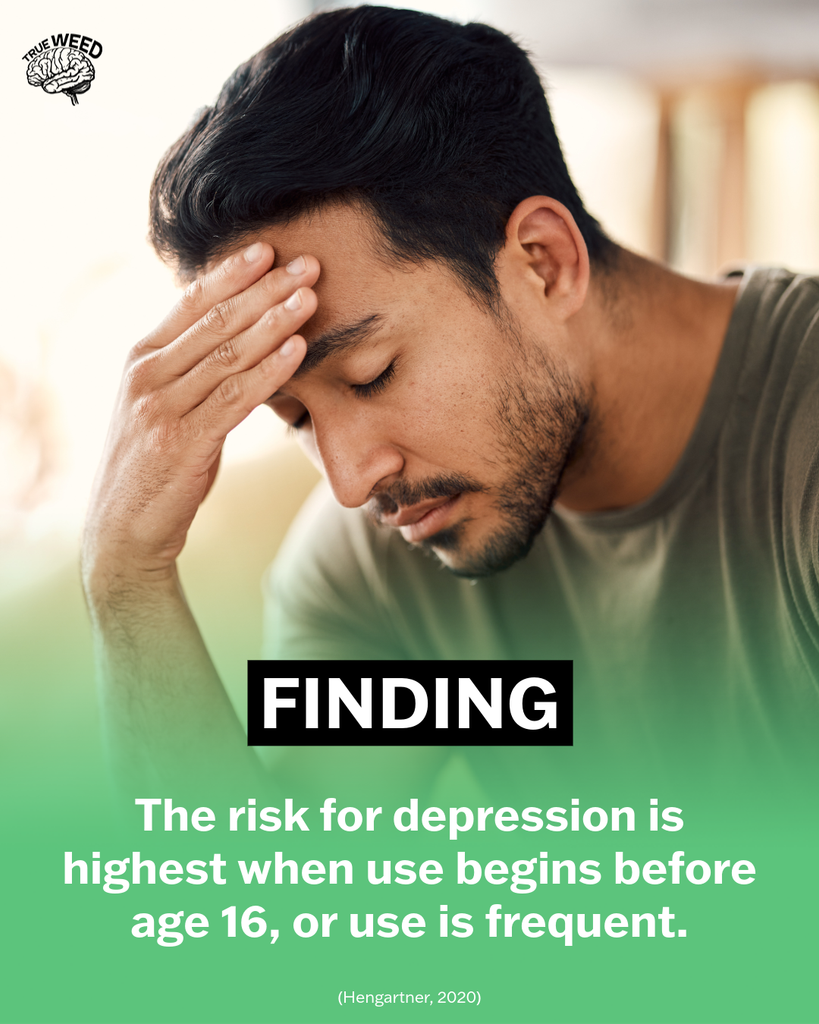
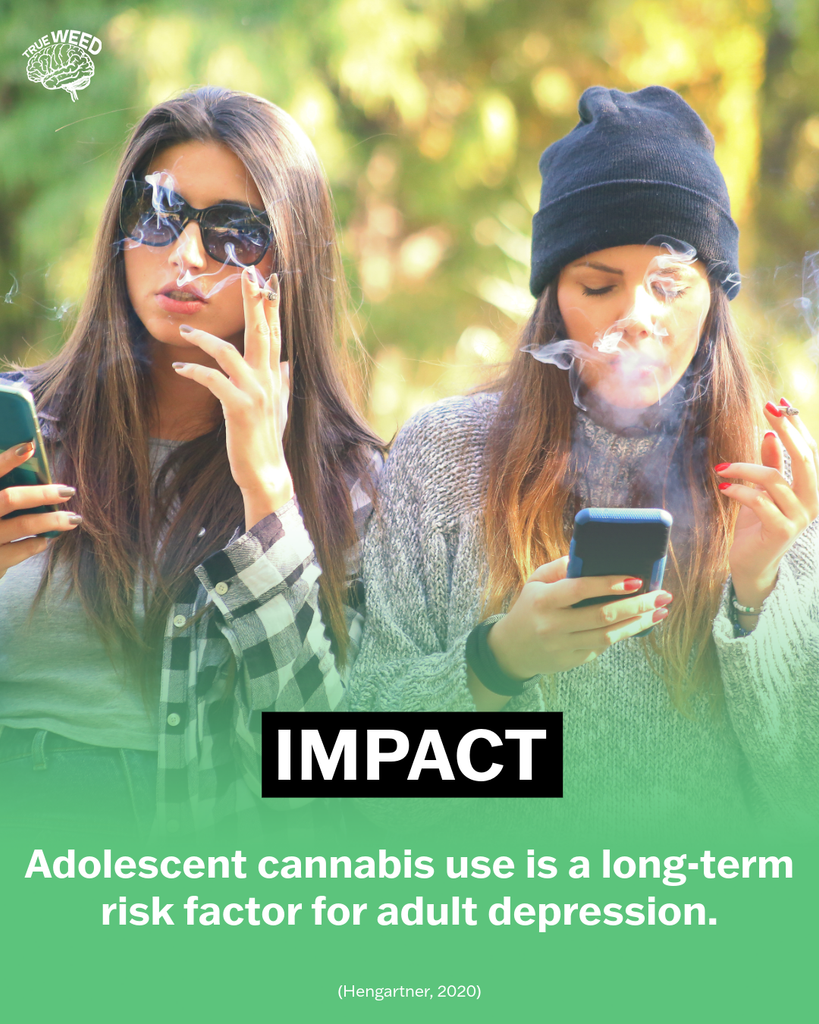
Results: Through the analysis of this data, it was found that adolescent cannabis use was significantly correlated with both depression and suicidality in adulthood. However, this specific study did not find results indicating that early cannabis exposure greatly increased the risk for later-life anxiety. Strangely, the study also indicated that rates of suicidality were about double that in those who had early cannabis exposure; however, as participants got older, rates of suicidality began to even out. Also worth noting is that rates of depression were especially high in individuals exposed to cannabis before the age of 16.
Meaning: Adolescent exposure to cannabis is strongly correlated with depression and suicidality later in life. People who used cannabis before the age of 16 had even higher rates of depression. This is the case even when controlling for socioeconomic factors.
Hengartner, M. P., Angst, J., Ajdacic-Gross, V., & Rössler, W. (2020). Cannabis use during adolescence and the occurrence of depression, suicidality, and anxiety disorder across adulthood: Findings from a longitudinal cohort study over 30 years. Journal of Affective Disorders, 272, 98–103. https://doi.org/10.1016/j.jad.2020.03.126
Learn More
- Exploring the ties between adolescent cannabis use and adult mental health
- Is weed a gateway drug? Does smoking weed lead to other drug use?
- Can smoking weed lead to a stroke?
- Lasting impacts of cannabis use among youth
- Association between cannabis use and maternal outcomes
- High-intensity exercise and cannabis cravings