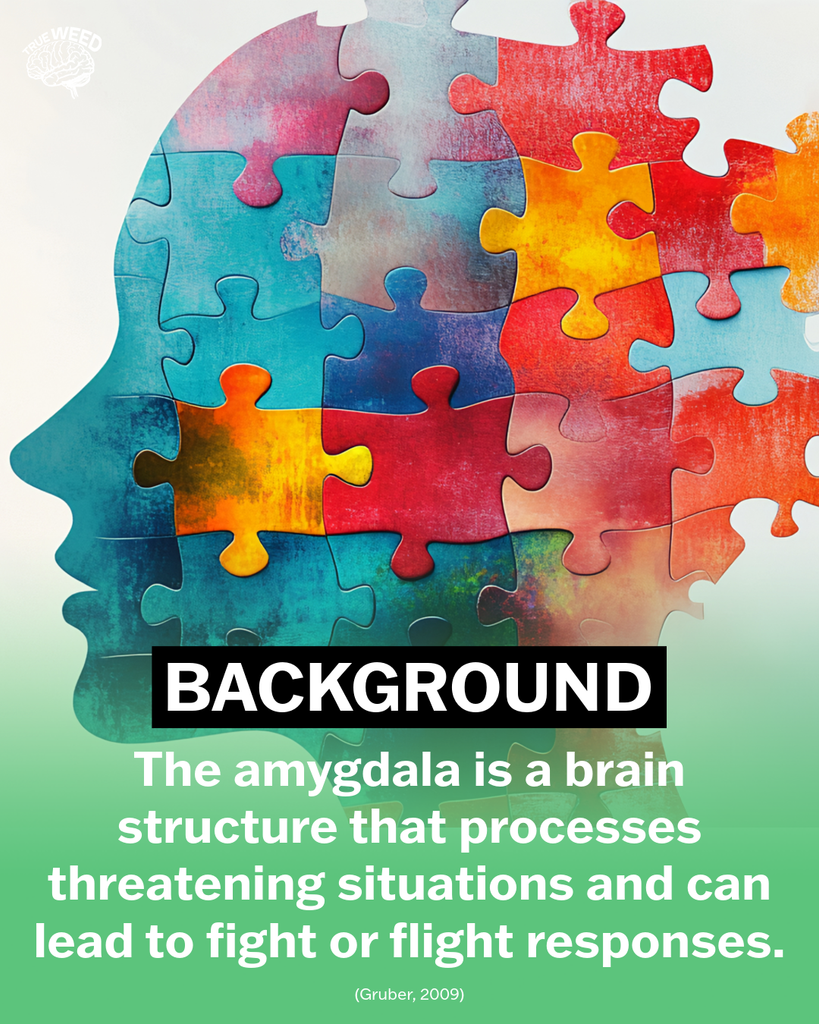
Rationale: Previous research into the structural brain differences of cannabis compared to non-cannabis users shows that cannabis strongly affects the anterior cingulate and amygdala. Thus, a 2009 study by Gruber and colleagues further examined the effects of this structure difference when subjects were exposed to faces. As, these areas of the limbic system have a large amount to do with how emotions are processed.
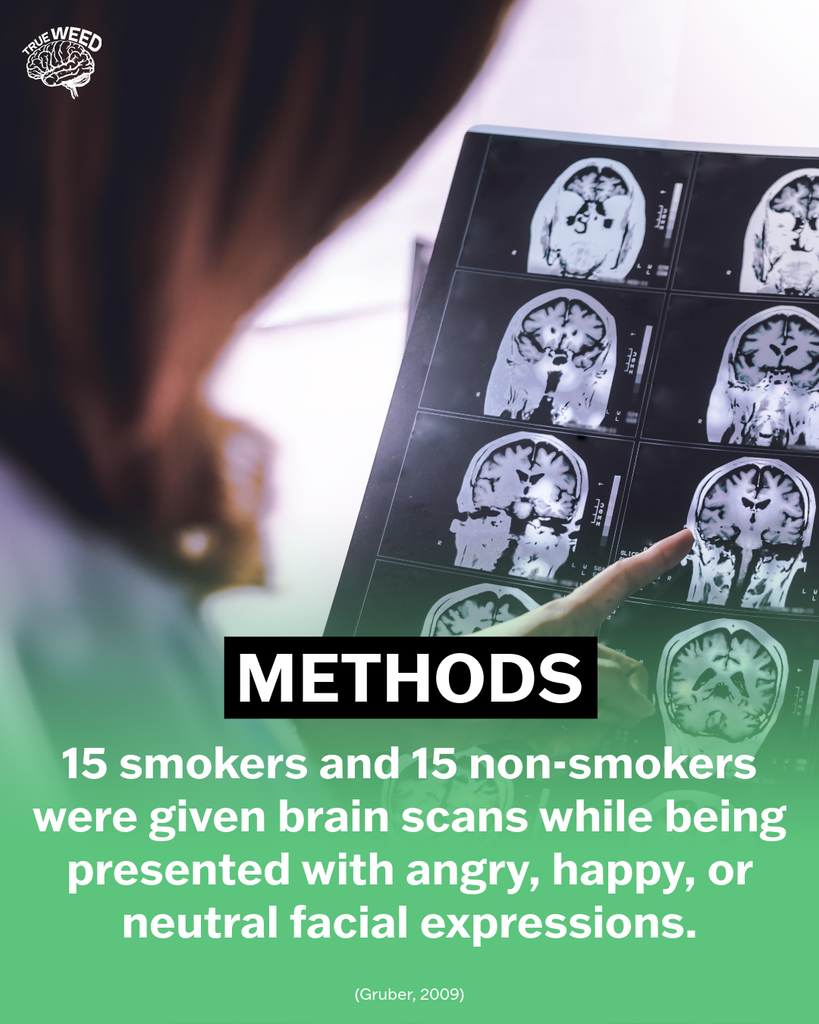
Method: The study had 15 smokers and 15 non-smokers who were given brain scans while being presented with angry, happy or neutral facial expressions. Each face was shown so briefly that the participants were not consciously aware.
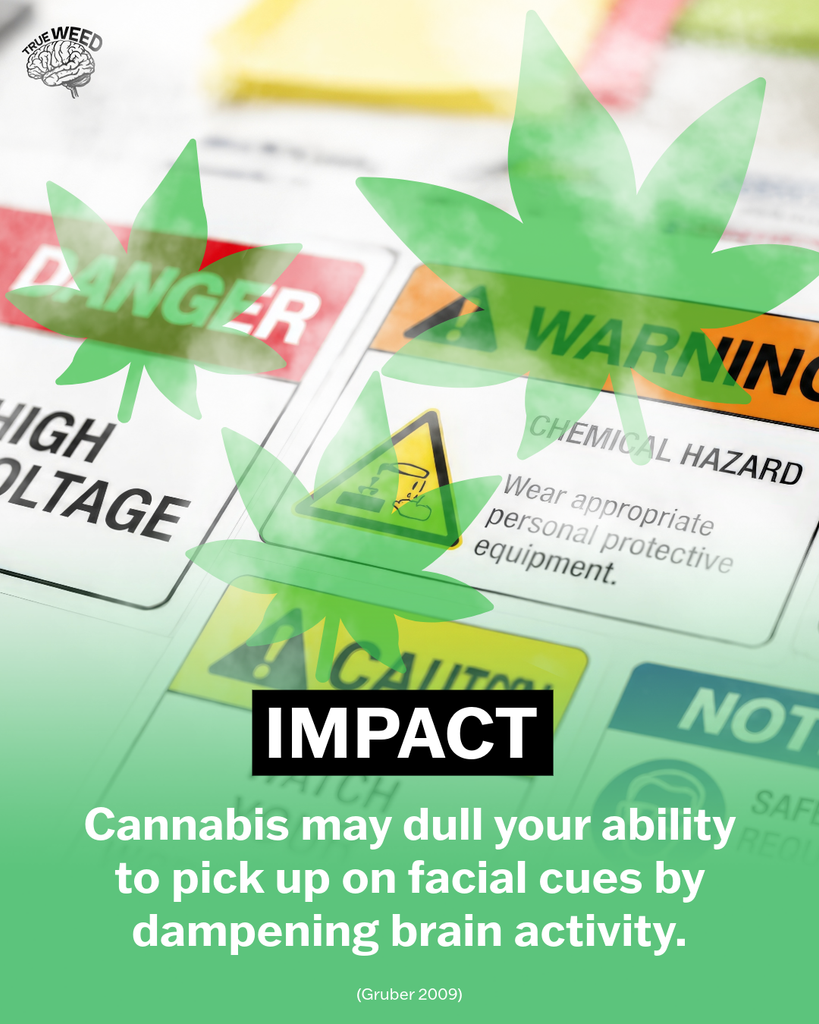
Results: The results of this were that participants had reduced reactions to angry faces. This is theorized to be the case due to the the amygdala failing to properly send fear responses to the rest of the brain
Meaning: This study suggests that heavy marijuana smoking alters the brain’s sensitivity to emotional stimuli. This is true even when the stimuli are administered below the level of conscious awareness, suggesting a disruption early in the brain circuit responsible for processing emotional signals.
Gruber, Staci A., Jadwiga Rogowska, and Deborah A. Yurgelun-Todd. “Altered Affective Response in Marijuana Smokers: An FMRI Study.” Drug and Alcohol Dependence, vol. 105, no. 1–2, Nov. 2009, pp. 139–53. ScienceDirect, https://doi.org/10.1016/j.drugalcdep.2009.06.019




Learn More
- How does weed impact processing emotions?

- Is music actually better when you’re high?

- How are teenage cannabis use and adult depression connected?

- Exploring the ties between adolescent cannabis use and adult mental health

- Is weed a gateway drug? Does smoking weed lead to other drug use?

- Can smoking weed lead to a stroke?