Rationale: Cannabis contains hundreds of chemicals, including delta-9 tetrahydrocannabinol (THC) and cannabidiol (CBD), which are hypothesized to reduce compulsive and obsessive behaviors (cite). OCD is an anxiety disorder that combines anxiety with repetitive behaviors. Cannabis is increasingly viewed as a way to manage symptoms for individuals with OCD. This study examines the effects of smoking cannabis on adults with OCD.
Method: 12 participants with OCD were examined in 3 separate sessions, each lasting 3-4 hours. Each session, they smoked a cannabis cigarette containing either a placebo (0% THC/0% CBD), or THC (7.0% THC/0.18% CBD), or CBD (0.4% THC/ 10.4% CBD). Sessions were separated by at least one week. Vitals, anxiety, symptoms of OCD, and intoxication effects were assessed before and after smoking using self-report forms.
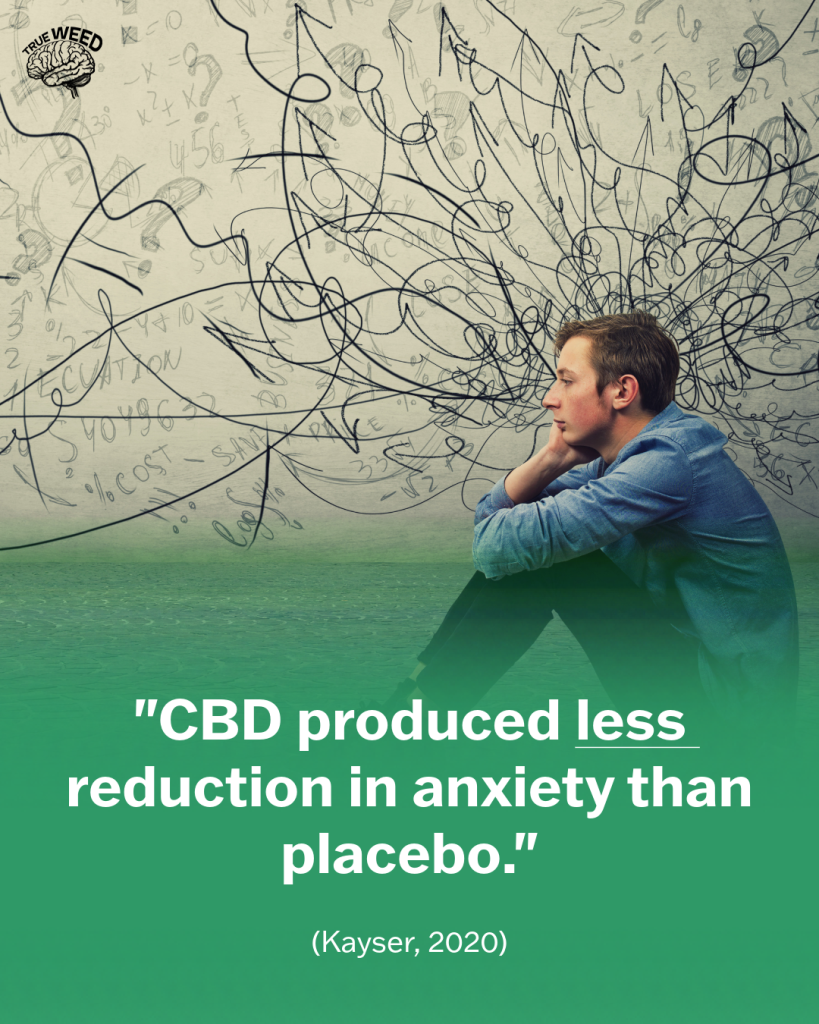
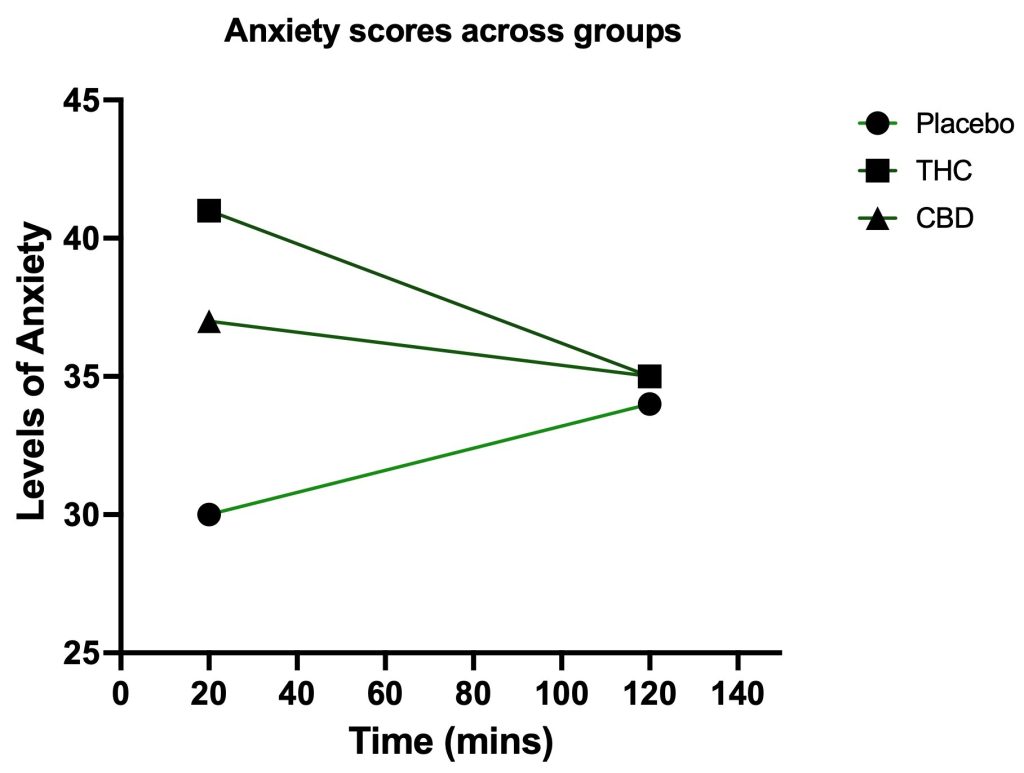
Results: All three groups had improvements in anxiety and OCD symptoms over time. Neither CBD nor THC was more effective than the placebo. The placebo group experienced immediate anxiety relief in comparison to the THC and CBD group. Participants using THC experienced increased heart rate, blood pressure, and intoxication compared to the placebo and CBD group.
Meaning: Using cannabis to relieve OCD symptoms and anxiety is not more effective than a placebo. Although using it showed a decrease in symptoms over time, those who did not use cannabis felt relief sooner, suggesting that you do not need cannabis to relieve OCD symptoms.
Kayser, R. R., Haney, M., Raskin, M., Arout, C., & Simpson, H. B. (2020). Acute effects of cannabinoids on symptoms of obsessive‐compulsive disorder: A human laboratory study. Depression and Anxiety, 37(8). https://doi.org/10.1002/da.23032